
Resources
Codes, Definitions, Calculators, Incentives/Rebates and More!
Los Angeles County Environmental Health Division
Definitions
Alternate Non-Potable Water Supply: A non-potable source of water which includes graywater, rainwater, stormwater, dry-weather runoff, onsite treated water (non-potable), and recycled or reclaimed water. Alternate water sources include, but are not limited to, swimming pool backwash operations, air conditioner condensate, cooling tower blowdown water, steam system condensate, fluid cooler discharge water, food steamer discharge water, combination oven discharge water, industrial process water, fire pump test water, theme park recreation water operations, foundation drainage, and onsite dry-weather runoff.
Potable Water: Water that is safe for human consumption. The United States Environmental Protection Agency (EPA) identifies biological and chemical contaminants in drinking water that may occur at levels that adversely affect public health. The EPA establishes Maximum Contaminant Levels (MCLs) permissible in drinking water, which become enforceable standards.
Non-Potable Water: Water that is not intended for human or animal consumption.
Onsite Treated Non-Potable Water: Non-potable water that has been collected and treated and is intended to be used onsite and for direct beneficial use. Sources for onsite treated non-potable water include, but are not limited to, graywater, rainwater, stormwater, recycled water, reclaimed water, cooling tower blowdown water, condensate, and foundation drainage.
Graywater: Untreated wastewater that has not been contaminated by any toilet discharge, has not been affected by infectious, contaminated, or unhealthy bodily wastes, and does not present a threat of contamination from unhealthful processing, manufacturing, or operating wastes.
Graywater includes, but is not limited to, wastewater from domestic activities such as bathtubs, showers, bathroom washbasins, clothes washing machines, and laundry tubs, but does not include wastewater from toilets, kitchen sinks, and dishwashers.
Blackwater: Wastewater containing bodily or other biological wastes, such as from toilets, dishwashers, or kitchen drains, and kept separate from graywater in wastewater recycling systems.
Harvested Rainwater: Rainwater that is collected from the roofs of buildings and other (e.g., at-grade) impervious surfaces and does not leave the land parcel where it was collected.
Harvested Rainwater: Rainwater that is collected from the roofs of buildings and other (e.g., at-grade) impervious surfaces and does not leave the land parcel where it was collected.
Cistern: A component of a rainwater/stormwater catchment system for storing rainwater or stormwater for the purpose of using the water for non-potable uses.
Non-Potable Cistern Catchment System: A system using cisterns to collect harvested rainwater or stormwater from a rain event or from dry-weather runoff. Cisterns in Los Angeles County may serve as a secondary source of non-potable water for applications that do not require potable water, such as landscape irrigation and indoor flushing, which can significantly lower potable water demand and reduce off-site rainfall runoff.
Industrial Process Water: Wastewater from industrial or commercial processes that has not been contaminated by any toilet discharge, infectious or bodily wastes, or processing, manufacturing, or operating wastes.
Recycled Water: Treated wastewater from sewage treatment plants that produces high quality non-potable water suitable for a range of non-drinking purposes. Recycled water meets California Department of Public Health statewide uniform criteria for disinfected tertiary treated wastewater.
Inspiration
These are some of the influences that are foundational to our work
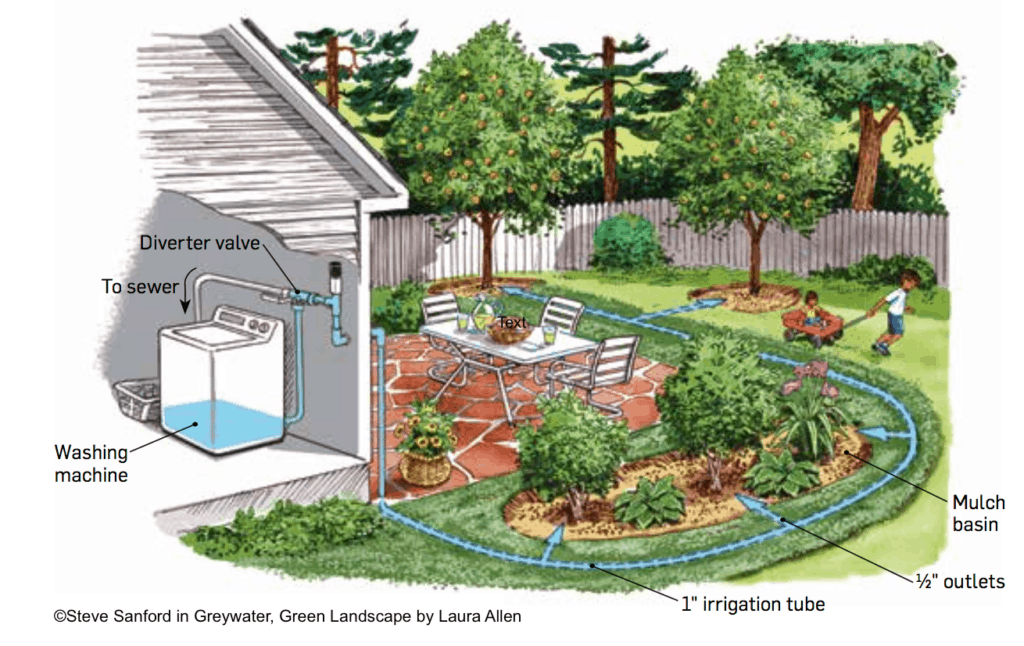
Laura Allen - Greywater Action
Greywater Action is a collaborative of educators who teach residents and tradespeople about affordable and simple household water systems that dramatically reduce water use and foster sustainable cultures of water.
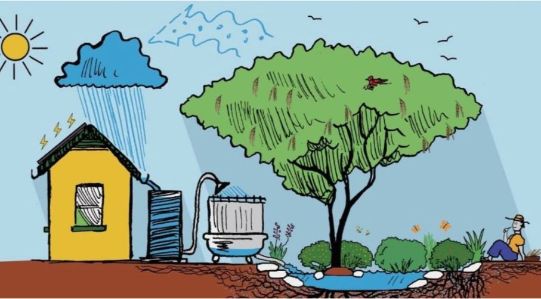
Brad Landcaster - Rainwater Harvesting for Dry Lands & Beyond
Brad, through his body of works... strive to enable you to better collaborate with, and contribute to, many living systems that spark and regenerate life for all. They help you to see, and act, in new conscious ways, so “wastes” become resources, and “problems” become potential. It’s about utilizing what is already freely at hand to turn scarcity into abundance.
Art Ludwig - Oasis Designs
Our goal is to help people live healthy, enjoyable, and meaningful lives, by helping with the nuts and bolts of simple, sustainable systems that really work, for water supply, greywater reuse, fire safe architecture, active transportation, etc These designs can be used a-la-carte, or fully integrated and optimized for your context, enabling you to live well with as little as 90% less resource use than the average American.